Trekking
Bumdra Trek
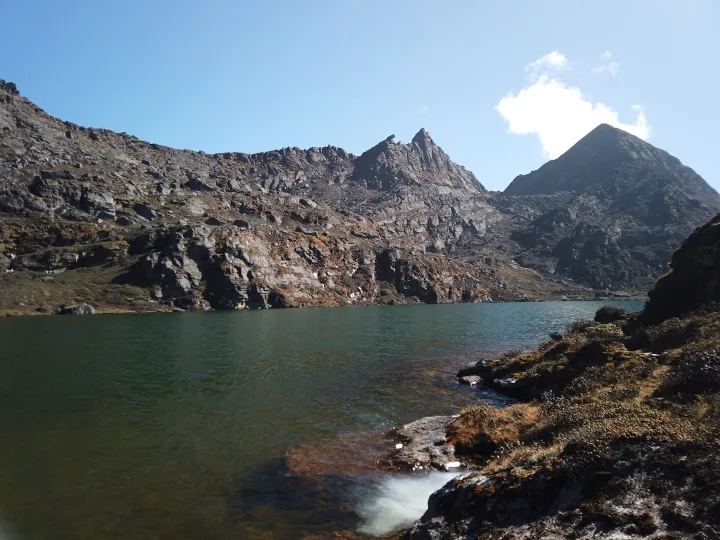
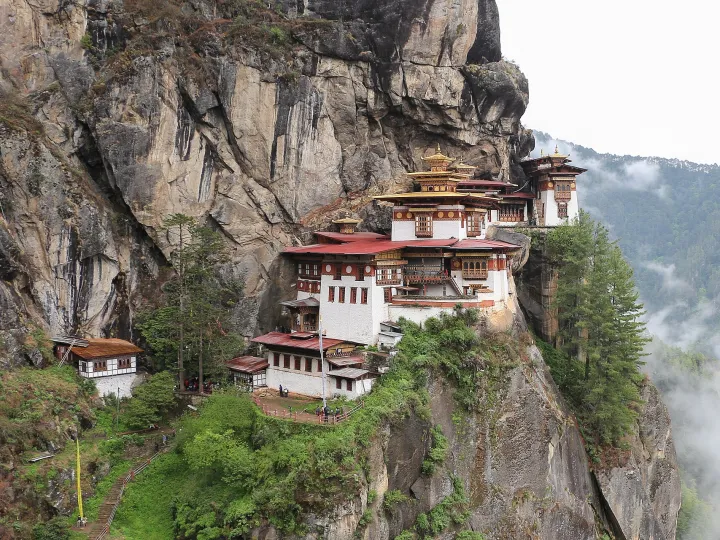
Two days and one night in camp on the ridge above the Tiger's Nest, walking down to the monastery from above.
Price on request

Trekking
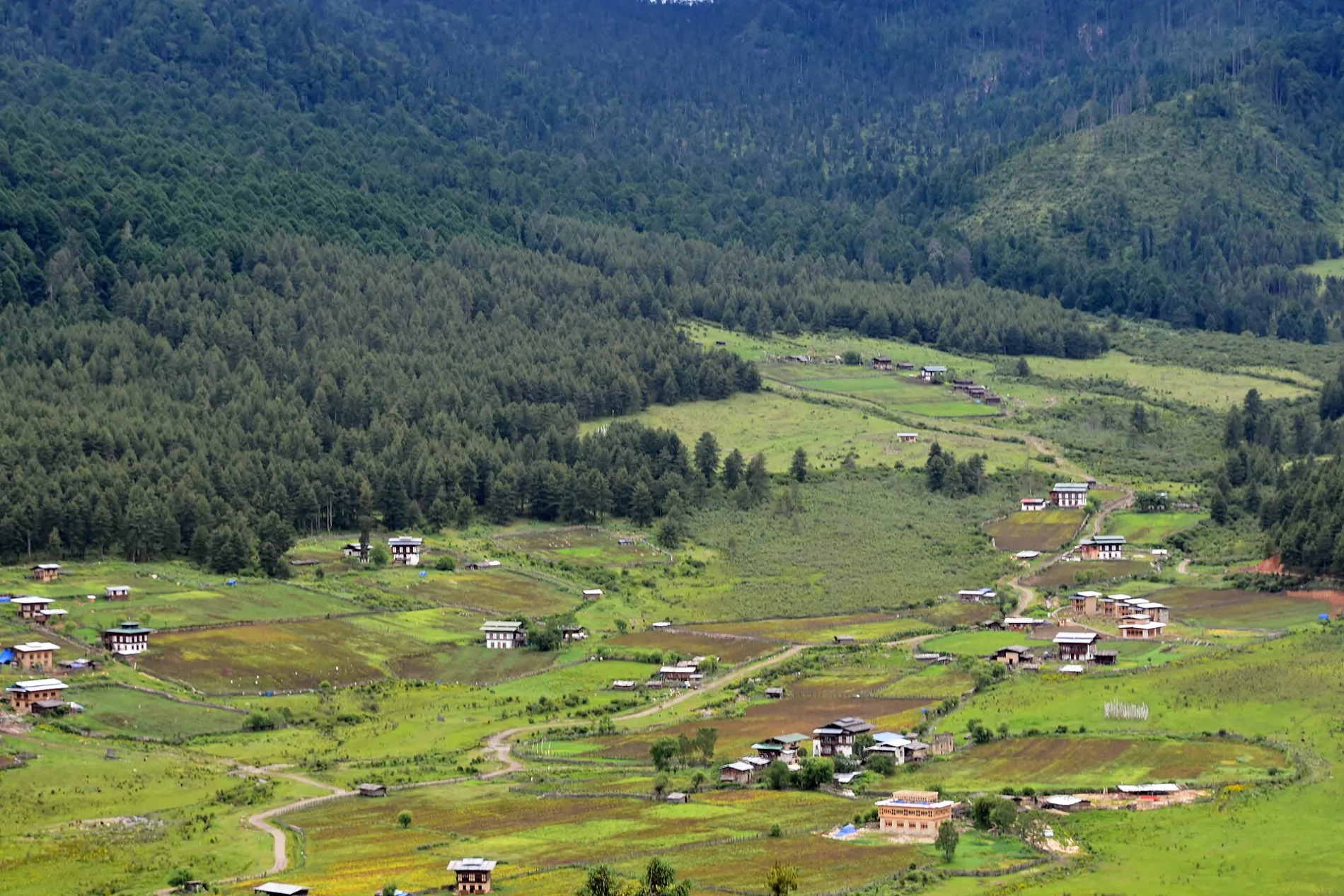
Three days of village-to-village walking from the crane valley of Phobjikha, over forested passes that stay below about 3,500 m.
The Gangtey trek is the gentlest of Bhutan's multi-day walks. It stays below about 3,500 m, in forest and farmland the whole way, and each day ends near a village rather than on a bare hillside.
It starts in Phobjikha, the wide valley where black-necked cranes winter, and crosses two wooded passes to the villages of Gogona and Khotokha before dropping to the road. The forest is the pleasure of it: juniper, magnolia and rhododendron.
The days are not short, six hours or so each, but the walking is straightforward. It suits people who want to try camping in Bhutan before committing to one of the high treks.
Your guide meets you at the airport for the hour's drive to the capital. The Memorial Chorten and the Buddha Dordenma in the afternoon.
Over Dochu La to Punakha, for the dzong and the walk to Chimi Lhakhang.
Up to Phobjikha by late morning. You visit Gangtey Goenpa and walk the nature trail, which is a fair sample of tomorrow's country. The night is in a lodge.
The crew and ponies meet you in the valley. The path climbs through meadows and fields to Tsele La, the highest point of the trek, then descends gradually through forest of juniper, magnolia and rhododendron to Gogona, where you camp near the village.
A gentle climb above the village leads through forest to Shobju La, 3,410 m. The trail then winds down into Khotokha, a wide valley of scattered farms.
A short climb to Tashi La, then downhill all the way, the forest growing warmer as you lose height, to the road at Tikke Zampa. The vehicle takes you back over Dochu La to Thimphu.
An hour's drive to Paro and straight to the trailhead. After three days on the trail the walk to Taktsang comes easily: four to five hours there and back.
Transfer to the airport for your flight.
Hotels in Thimphu, Punakha, Phobjikha and Paro, and two nights in two-person tents on the trail.
Cooked meals on the trek, prepared by the camp cook, with tea brought to your tent in the morning. Boiled water is provided for your bottles.
A private vehicle with a driver between the airport, the hotels and the two ends of the trail.
A licensed trekking guide walks with you. The cook, helpers and horsemen go ahead to set up camp. Treks in Bhutan may only be undertaken with an accredited guide or operator.
Tents, sleeping mats, dining, kitchen and toilet tents, and all cooking gear. Your main bag is carried by the pack animals; you carry a day pack.
No army or national-park permit is needed for this route. We arrange your visa and the trek's paperwork.
You need to be comfortable walking six to seven hours a day for three days, on forest paths with a few hundred metres of climbing each morning. No previous trekking is needed. Altitude is seldom a problem on this route: you spend two nights lower down first, and the highest camp is only a little above Phobjikha.
We provide the tents, sleeping mats, a dining tent, a kitchen tent and a toilet tent, and all the cooking gear, with a guide, a cook and helpers. Pack animals carry the baggage, so you walk with a day pack.
You bring your own boots, clothing and sleeping bag. Each trek page has a packing list.
On a cultural tour, rarely. Paro and Thimphu are at 2,200 to 2,350 m, where most visitors notice only shortness of breath on stairs for a day or two. The road passes are higher, at 3,100 to almost 4,000 m, but you cross them by vehicle and do not stay.
Treks are different. Camps on the Druk Path are above 3,500 m and the northern treks cross passes near 5,000 m. Our trek itineraries build in days to adjust, and your guide will take you down if you show signs of altitude sickness. If you have a heart or lung condition, speak to your doctor before booking any trip to Bhutan.
Yes, unless you are an Indian national, in which case you need an entry permit instead. The visa costs US$40, is applied for online, and is normally decided within five working days.
When you book with us we make the application for you. You send a scan of your passport, which must be valid for at least six months, and a recent passport photo. See Bhutan visa and entry permits.
March to May and September to November have the mildest weather and the clearest skies, and the largest festivals fall in those months. They are also the busiest.
Winter is cold but dry and sunny, with the black-necked cranes in Phobjikha and the Punakha festivals. Summer is the monsoon: green, quiet and often cloudy. See the best time to visit Bhutan.
More treks
Trekking
Two days and one night in camp on the ridge above the Tiger's Nest, walking down to the monastery from above.
Price on request
Trekking
Five days through high yak pasture south of Thimphu, among the small lakes that give the trek its name.
Price on request
Trekking
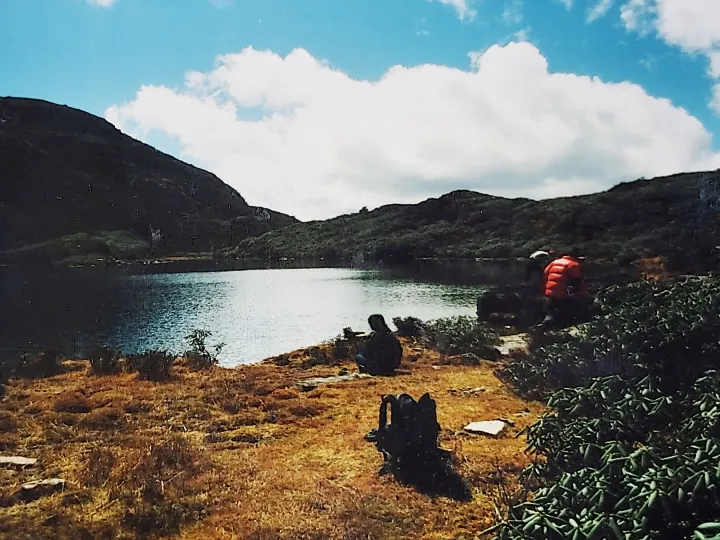
Six days along the ridge between Paro and Thimphu, past a ruined dzong and a chain of high lakes, with Jomolhari on the skyline in clear weather.
Price on request
A few lines are enough: when, how long, and what draws you to Bhutan. We answer with a suggested route and what it would cost.
We reply ["within 24 hours"].