Cultural
Three Valleys in 5 Days
Paro, Thimphu and Punakha, with the crossing of Dochu La and an afternoon at Punakha Dzong before the Tiger's Nest.
Price on request

Western Bhutan
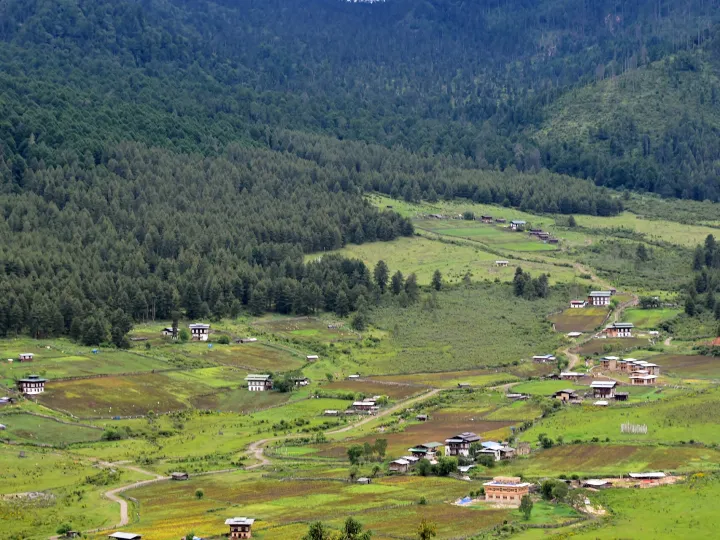
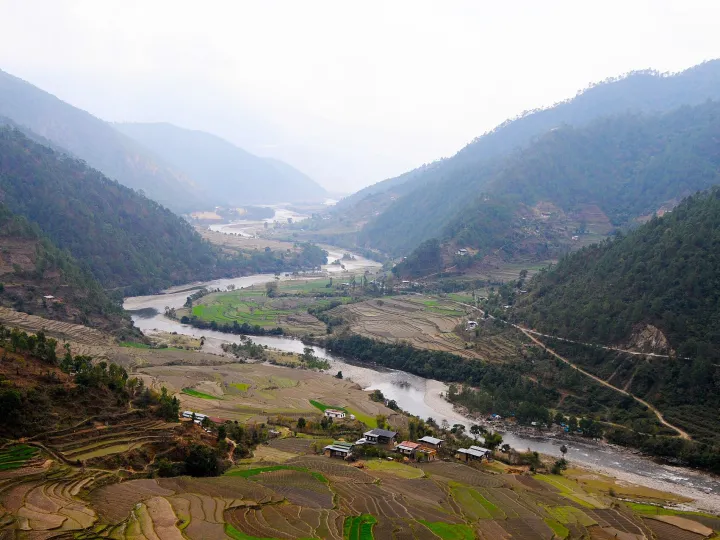
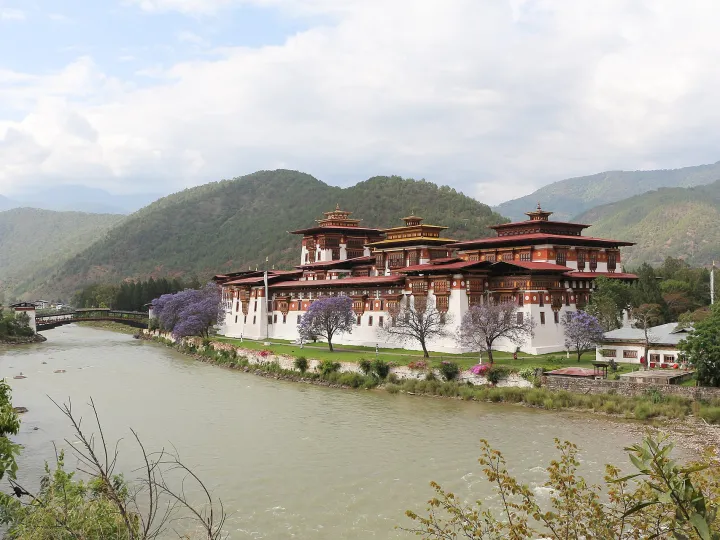
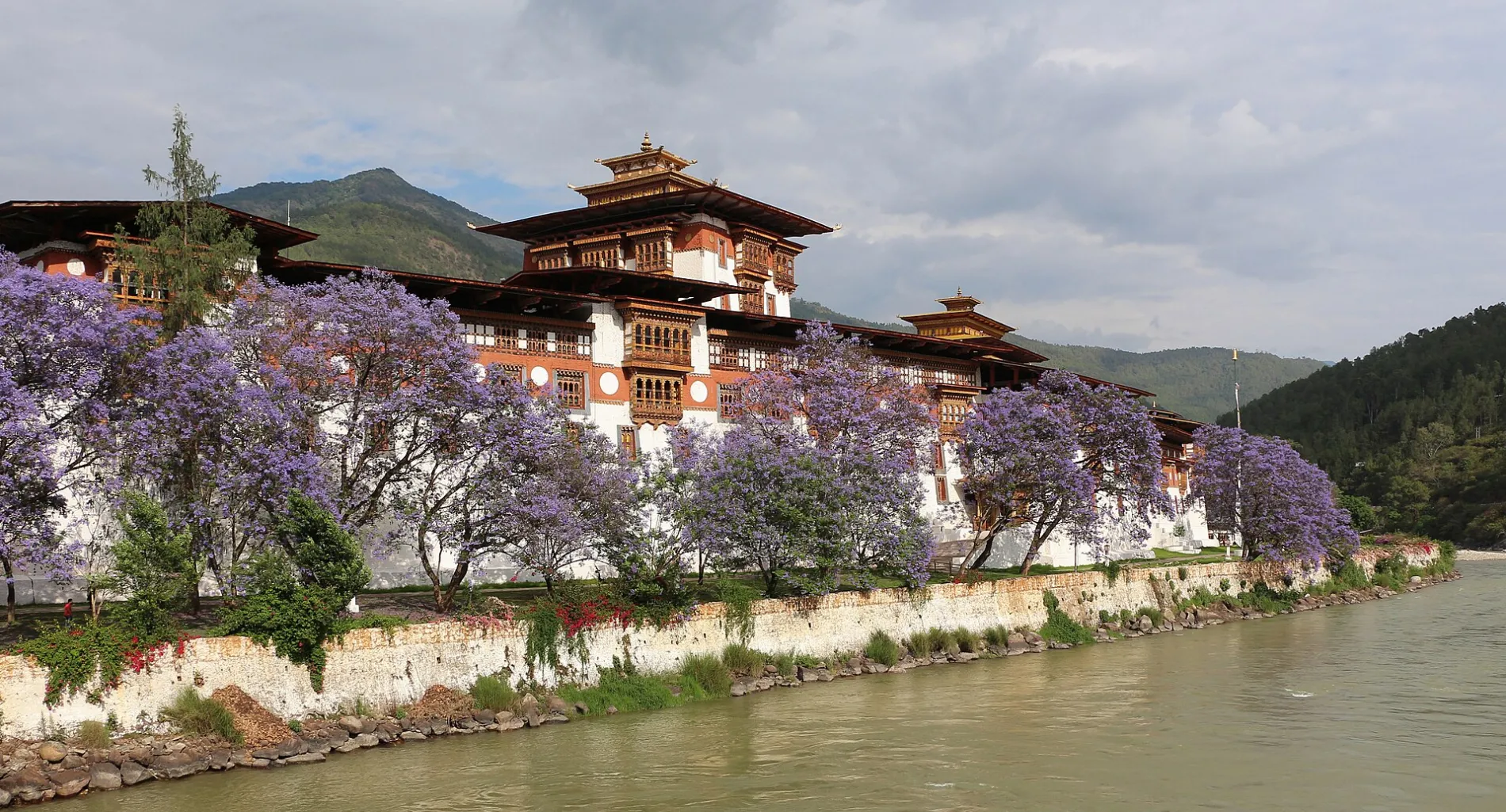
A low, warm valley of rice terraces and two rivers, with the dzong many travellers remember as the finest building in Bhutan.
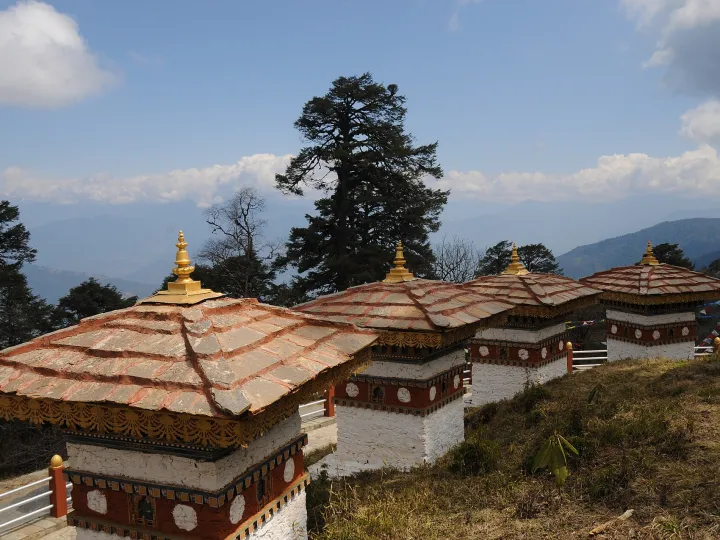
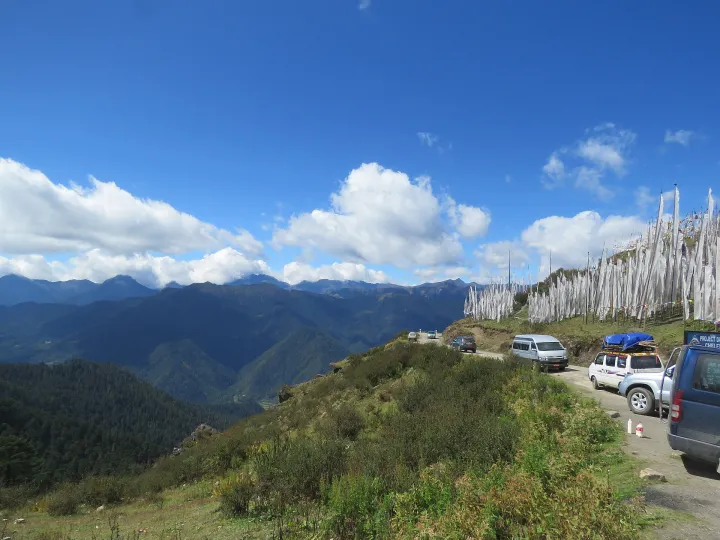
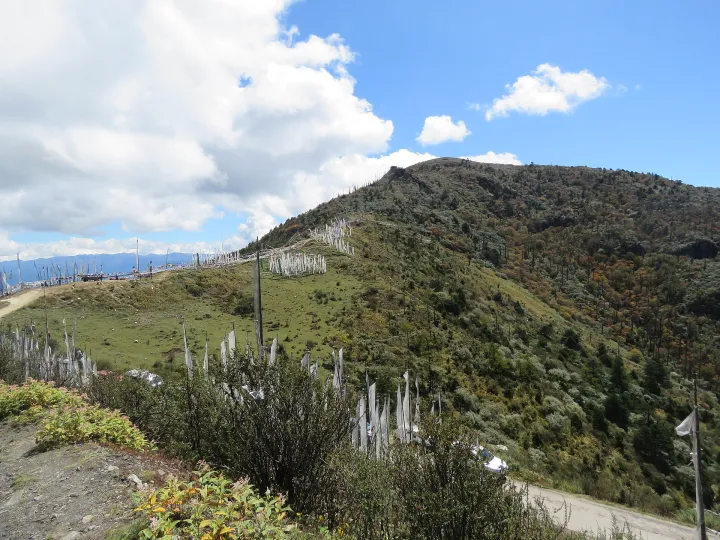
The road from Thimphu climbs to Dochu La at about 3,100 m, where 108 chortens stand on a hilltop and the eastern Himalaya fills the horizon on a clear day, then drops for an hour through forest into a different climate. Punakha lies at 1,242 m. Bananas and oranges grow here, and the rice terraces are green when the high valleys are still brown.
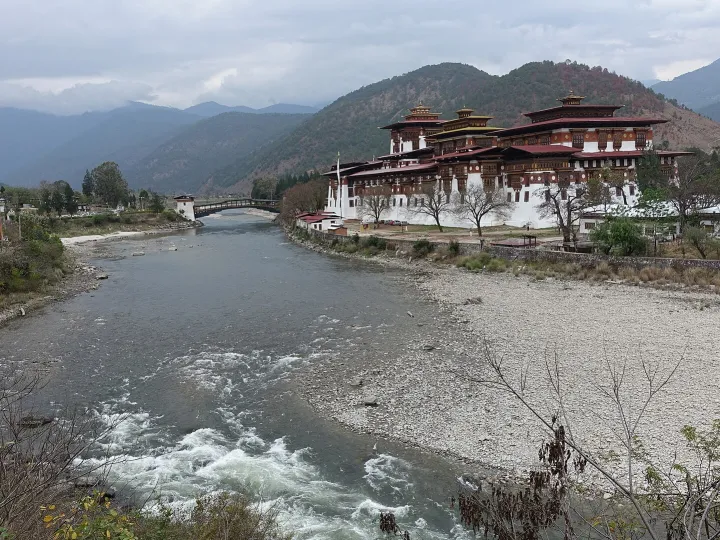
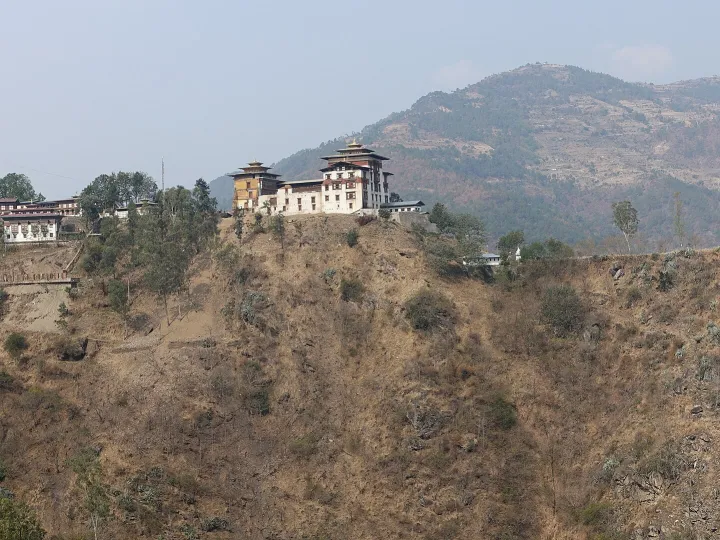
Punakha Dzong stands where the Pho Chhu and the Mo Chhu meet. It was Bhutan's seat of government until the capital moved to Thimphu, and the head abbot and the central monks still spend the winter here.
The valley is good for easy walking: across the fields to Chimi Lhakhang, or up through the terraces to the chorten of Khamsum Yulley Namgyal. The rivers are where rafting in Bhutan is done.
Mild from October to April, which makes it the natural choice in winter. The Punakha Drubchen and Tshechu are held back to back in late winter (13 to 18 February 2027 on the official tentative list). Summer is hot and humid.
76 km from Thimphu, two to three hours over Dochu La. Phobjikha is 75 km further east, about two hours.
Tours and treks
Cultural
Paro, Thimphu and Punakha, with the crossing of Dochu La and an afternoon at Punakha Dzong before the Tiger's Nest.
Price on request
Cultural
The three western valleys with a full day in the capital, a night beside Punakha Dzong and the Tiger's Nest to finish.
Price on request
Festival
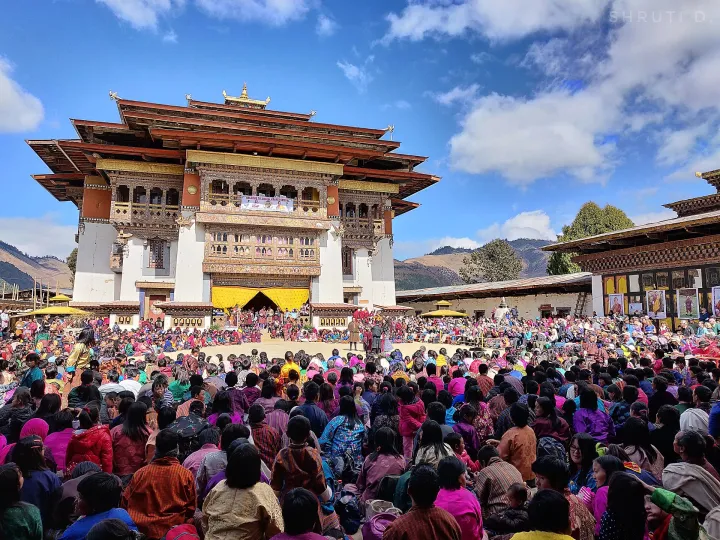
A week timed for 11 November, when Phobjikha welcomes its cranes back from Tibet with a festival in the courtyard of Gangtey Goenpa.
Price on request
Trekking
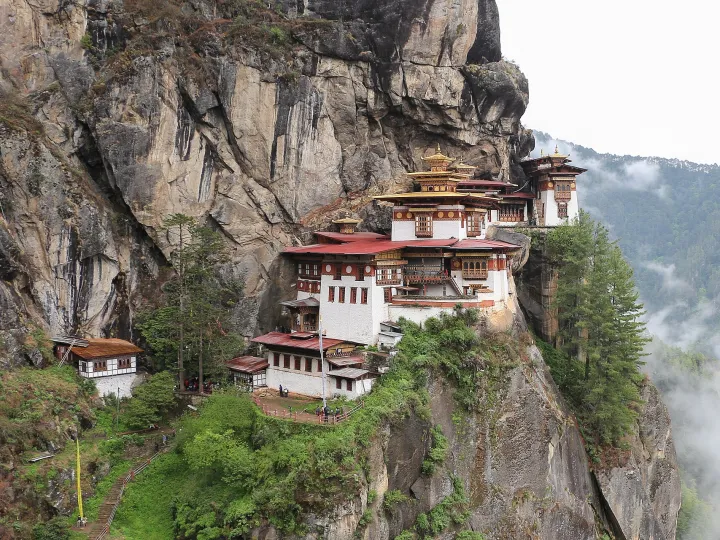
Two days and one night in camp on the ridge above the Tiger's Nest, walking down to the monastery from above.
Price on request
Festival
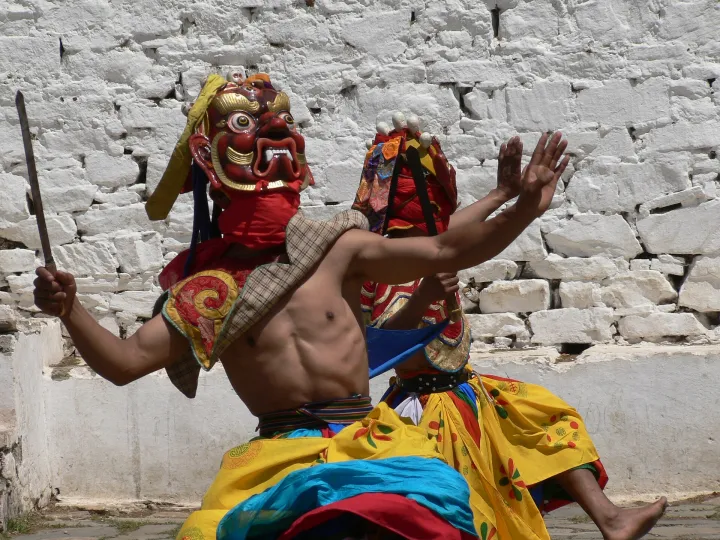
A winter journey to Punakha Dzong for the Drubchen, when local men in warriors' dress re-enact a seventeenth-century battle.
Price on request
Cultural
Four valleys in a week: the capital, the warm rice terraces of Punakha, the crane valley of Phobjikha, and Paro for the walk to the Tiger's Nest.
Price on request
Trekking
Three days of village-to-village walking from the crane valley of Phobjikha, over forested passes that stay below about 3,500 m.
Price on request
Festival
Eight days built around Paro's spring festival, ending with the dawn unveiling of the great thongdrel on the last morning.
Price on request
Festival
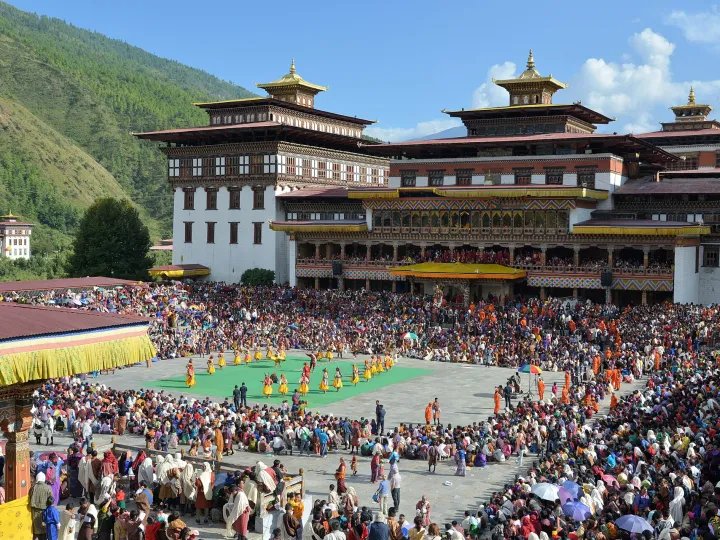
The capital's great autumn festival at Tashichho Dzong, with the Tiger's Nest before it and the warm valley of Punakha after.
Price on request
Cultural
Five western valleys, two high passes and a day in quiet Haa, at a pace that leaves room to walk as well as drive.
Price on request
Cultural
Two nights each in Thimphu, Phobjikha, Punakha and Paro, so that every valley has a day with no packing in it.
Price on request
Festival
Ten days to Bumthang for the festival of fire at one of Bhutan's oldest temples, with cranes in Phobjikha on the way.
Price on request
Cultural
West to the centre by road through Trongsa, three nights among Bumthang's temples, and a flight back over the mountains to Paro.
Price on request
Cultural
By road to the temples of Bumthang and back, then over Chele La for a night in quiet Haa before the Tiger's Nest.
Price on request
Cultural
The whole width of the country in two weeks, from the Tiger's Nest to the weaving villages of the far east, leaving by road into India.
Price on request
Trekking
Twelve days across the northern highlands, past Jomolhari and over Sinche La at 5,005 m to the yak-herding village of Laya.
Price on request
Trekking
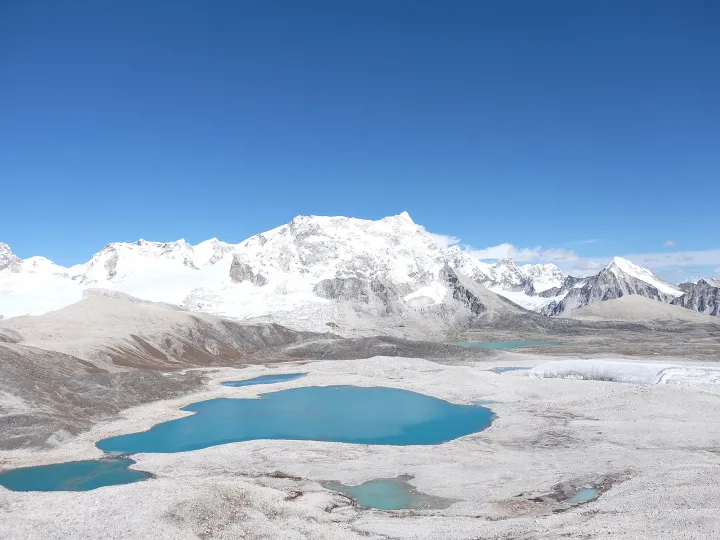
Twenty-four days across the roof of Bhutan, from Paro through Laya and the remote region of Lunana, over passes above 5,000 m.
Price on request
A few lines are enough: when, how long, and what draws you to Bhutan. We answer with a suggested route and what it would cost.
We reply ["within 24 hours"].