Festival
Punakha Drubchen and Tshechu Tour
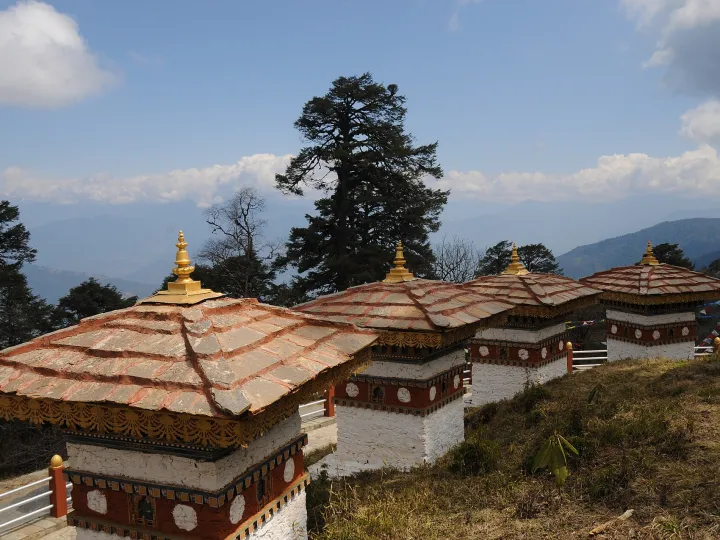
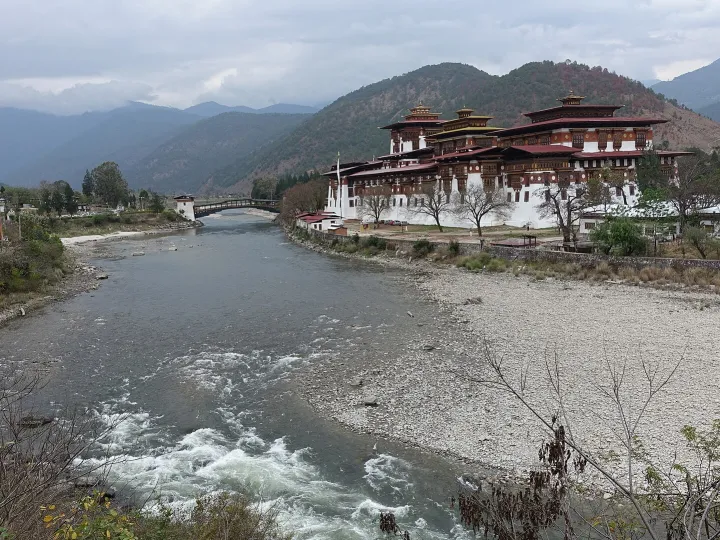
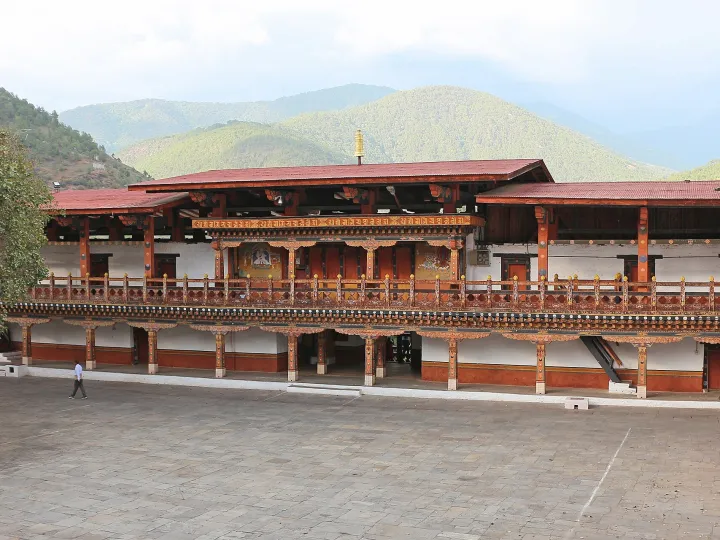
A winter journey to Punakha Dzong for the Drubchen, when local men in warriors' dress re-enact a seventeenth-century battle.
Price on request

Festival
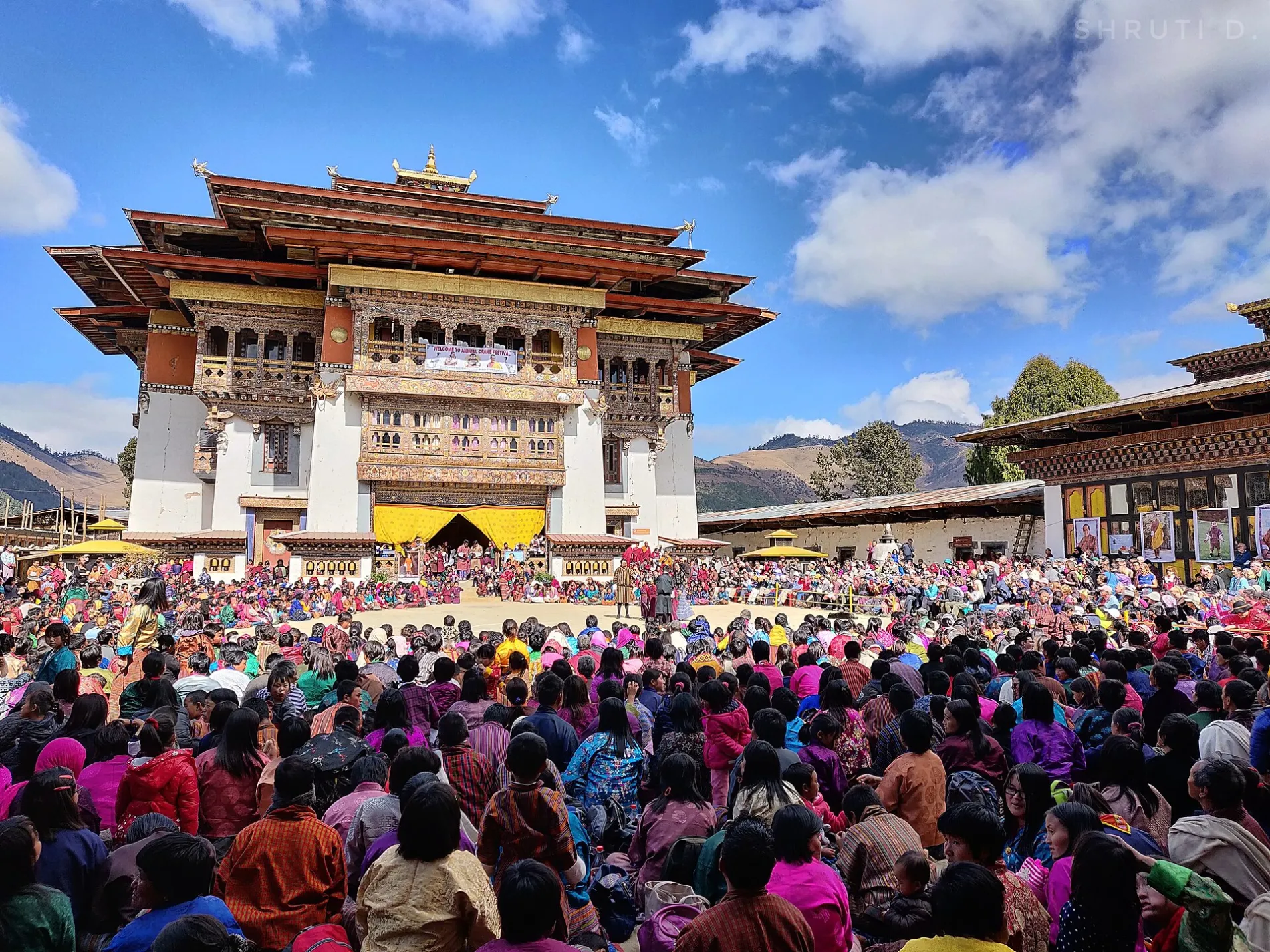
A week timed for 11 November, when Phobjikha welcomes its cranes back from Tibet with a festival in the courtyard of Gangtey Goenpa.
Each year around the start of November, black-necked cranes arrive in the Phobjikha valley after crossing the Himalaya from Tibet. On 11 November the valley holds a festival for them at Gangtey Goenpa, with crane dances by schoolchildren, folk songs and masked dances.
It is a small, local occasion, run by the valley for the valley. 640 cranes were counted here in the winter of 2024 to 2025.
This trip would start on 8 November 2027 and gives two nights in Phobjikha, so that you see the cranes at dusk and at dawn as well as the festival itself.
Festival dates follow the lunar calendar. Those given here are from the official tentative list for 2027, last read on 3 October 2026, and can still move by a day or two. We confirm them with you before you book flights.
Monday 8 November on the planned dates. An hour's drive to Thimphu; the Memorial Chorten and the Buddha Dordenma in the afternoon.
The crafts school in the morning, then the drive over Dochu La and down to Punakha for the dzong and the walk to Chimi Lhakhang.
After the morning walk to Khamsum Yulley Namgyal Chorten you drive up to Phobjikha. The afternoon is for the cranes: first through the telescopes at the information centre, then from the edge of the marsh as the light goes and the birds come in to roost.
You are out at dawn to see the cranes leave their roost, then go up to Gangtey Goenpa. The festival fills the monastery courtyard from mid-morning: children in crane costumes, masked dances, songs and speeches, and most of the valley looking on.
In the afternoon you walk the nature trail down from the monastery.
The long drive back west, with lunch on the way and a second stop at Dochu La.
The walk to Taktsang, four to five hours in all. Kyichu Lhakhang and Rinpung Dzong in the afternoon.
Transfer to the airport.
Hotels in Thimphu, Punakha, Phobjikha and Paro. Phobjikha is at 3,000 m and November nights are below freezing; lodges are simple and heated by stoves.
Breakfast and dinner at your hotel and lunch at a local restaurant on the way. Tell us about any dietary need when you book; vegetarian food is easy everywhere.
A private vehicle with a driver for the whole trip. The road is paved and winding, so drives are slower than their distance suggests.
One licensed guide stays with you from arrival to departure. A guide is required by the authorities inside dzongs and monuments. At a festival your guide explains each dance as it happens, which changes what you see.
We apply for your visa once the trip is confirmed; it is normally issued within five working days. You need a passport valid for at least six months. See our pages on the [visa](/bhutan-travel-guide/visa/) and the [Sustainable Development Fee](/bhutan-travel-guide/sustainable-development-fee/).
Long sleeves and long trousers or a long skirt, as for any visit to a dzong, and no hat once you are inside. Bhutanese people wear their best clothes to a tshechu, so it is a day to dress neatly.
Keep out of the dance ground itself, and ask before photographing anyone close up. On the morning a thongdrel is shown the start is before sunrise, so bring something warm.
As early as you can. Festival dates are published well over a year ahead, and flights and hotels for those days are the first to fill, above all in Paro for the Paro Tshechu.
The published dates are tentative, because they follow the lunar calendar. Check them with us before you book a flight.
Yes, unless you are an Indian national, in which case you need an entry permit instead. The visa costs US$40, is applied for online, and is normally decided within five working days.
When you book with us we make the application for you. You send a scan of your passport, which must be valid for at least six months, and a recent passport photo. See Bhutan visa and entry permits.
A fee every visitor pays to the government of Bhutan for each night in the country. It is US$100 a night for adults and US$50 for children aged 6 to 11; children under 6 pay nothing. Indian nationals pay Nu. 1,200 a night.
It is paid with your visa application. When you travel with us we collect it with the tour payment and pass it on. See the Sustainable Development Fee.
More tours
Festival
A winter journey to Punakha Dzong for the Drubchen, when local men in warriors' dress re-enact a seventeenth-century battle.
Price on request
Cultural
Four valleys in a week: the capital, the warm rice terraces of Punakha, the crane valley of Phobjikha, and Paro for the walk to the Tiger's Nest.
Price on request
Cultural
The three western valleys with a full day in the capital, a night beside Punakha Dzong and the Tiger's Nest to finish.
Price on request
A few lines are enough: when, how long, and what draws you to Bhutan. We answer with a suggested route and what it would cost.
We reply ["within 24 hours"].